The Night Watch
Rembrandt van Rijn · 1642 · Rijksmuseum, Amsterdam
A daylight scene that has been called a night scene for two hundred years.
The name is a mistake that stuck.
Restored to capture the true colors in an abstract Palette Homage painting, and then restored again.


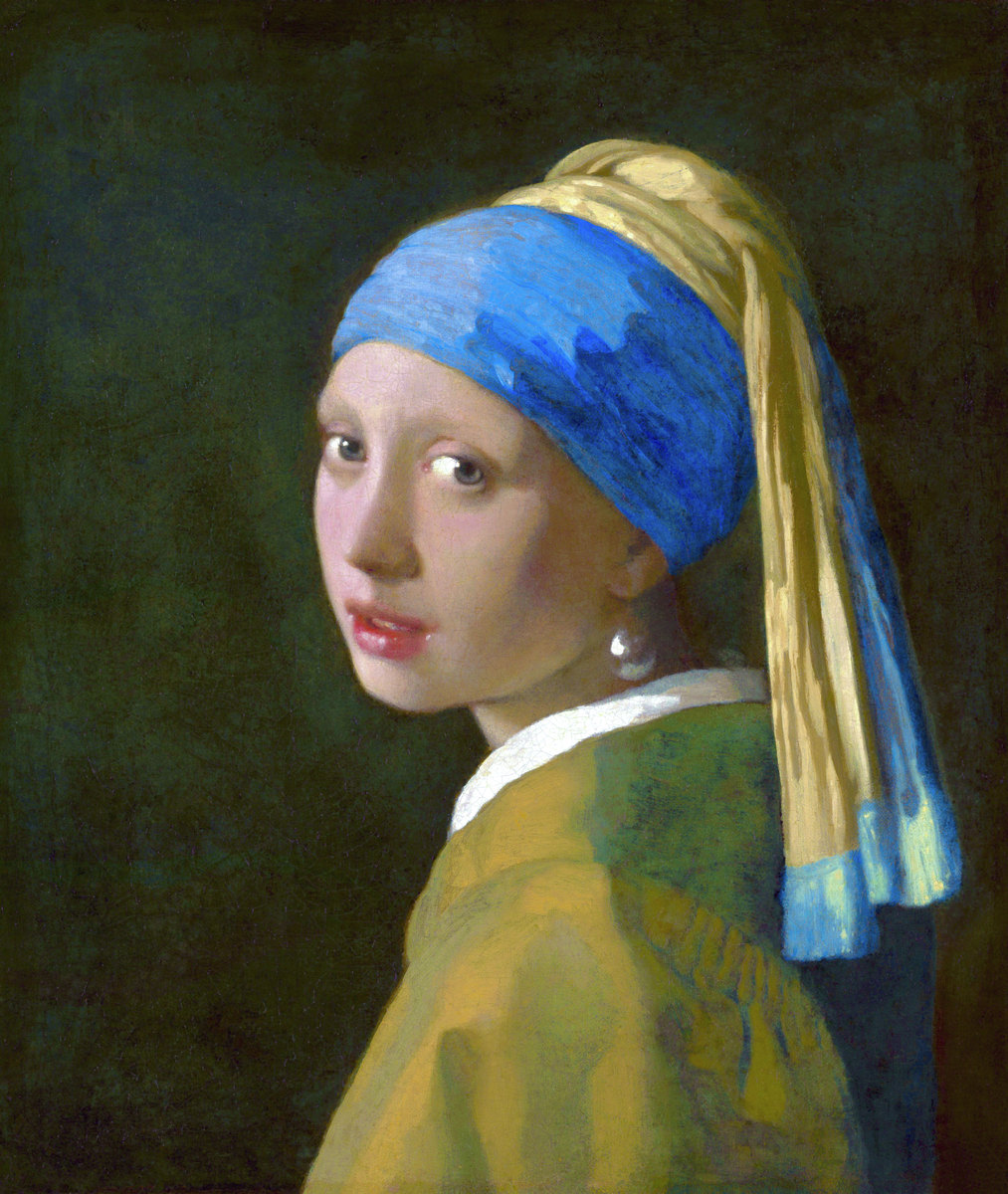
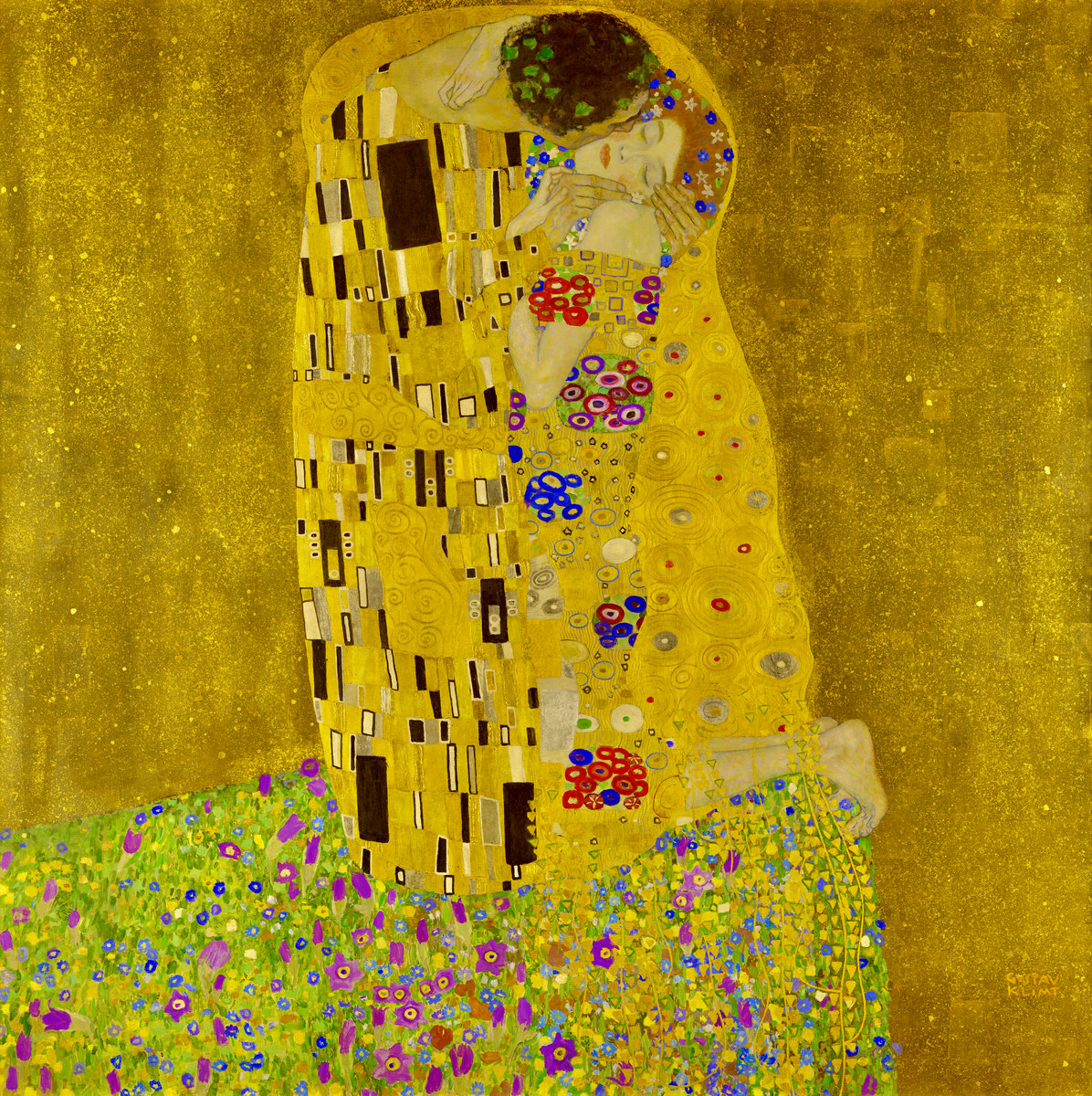
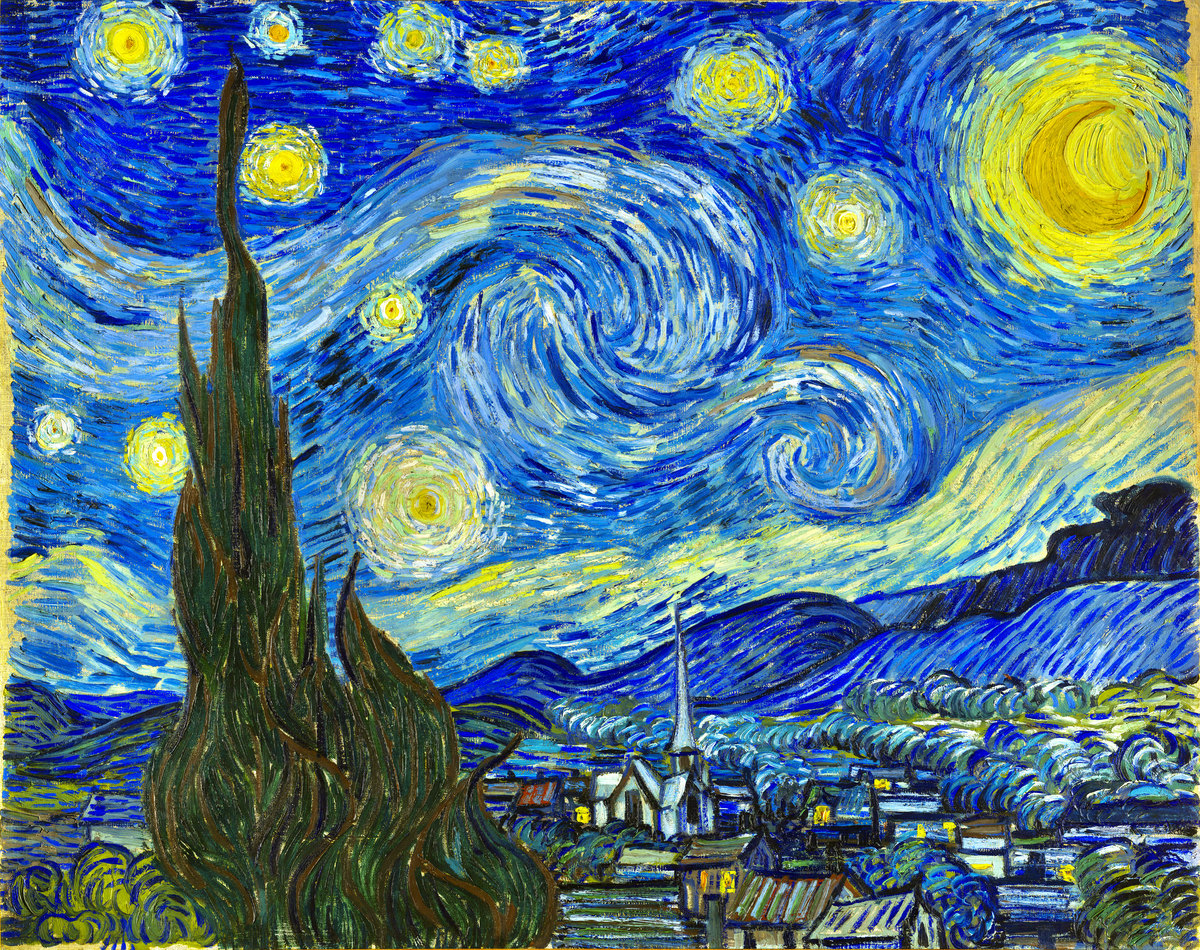
Roberto sources most of his base files from Wikimedia Commons, an extraordinary archive of high-resolution scans from the institutions that house and protect these paintings. Keeping them safe means climate-controlled storage and, often, removal from public view — the risk of further decay or vandalism is too high to keep them on permanent display. The originals themselves can never be restored to the colors their painters chose centuries ago without damaging them further; their pigments are already unstable, worn by soot, humidity, poor handling, theft, and unfortunate restoration attempts that didn't always help. A digital restoration guided by a living color master is a different process entirely — no harm can come to the original.
But this isn't a filter. Roberto's process means living inside the work long enough to understand the painter's color intent — the human judgment no algorithm can replace. It isn't purely mechanical, chemical, or analytical, though it draws on all three. Guessing at the coloristic intent of an artist long gone is daring, complicated, exciting — it's interpretation, not mere restoration, and it goes places restoration alone never could dream to go.
Inside This Restoration
The Artwork & The Amber Veil
The Artist's Loop: From Easel to Archive
Curatorial Sources
The Process Poster
The whole restoration — archive scan, palette homage, final remaster — on one archival print. 24″×36″, matte poster stock, for the wall.
$65
Free Download Offer
Want to see 's true colors on your own screen? Sign up and we'll email you the ultra-HD digital desktop wallpaper of , free.